Doberman Pinscher Guide: Temperament, History, Training Tips and Family Life
A Doberman Pinscher can look like a polished athlete standing still. Sleek coat, alert eyes, square build, and the kind of presence that makes people pause at the end of the sidewalk. But behind that striking outline is a sensitive, loyal, high-energy dog that wants a job, clear guidance, and a close bond with its people.
Dobermans are often described as fearless protectors, and that reputation has roots in their working history. Yet many owners will tell you the same dog that looks serious at the front door may later curl up under a blanket, follow a child from room to room, or lean against a favorite person like a 75-pound shadow.
This guide covers the breed’s history, temperament, family fit, working ability, training needs, and daily exercise requirements, with real-world style stories from Doberman owners woven throughout.
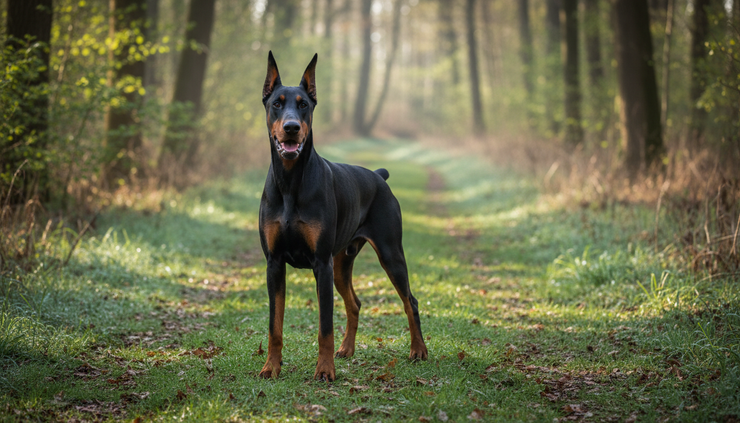
The Doberman Pinscher has a practical working history
The Doberman Pinscher is a relatively modern breed. It was developed in Germany in the late 1800s by Karl Friedrich Louis Dobermann, a tax collector who also worked with dogs. His job required him to travel with money, often through uncertain areas, so he wanted a dog that could protect him, think quickly, and stay loyal under pressure.
The exact mix of breeds used to create the Doberman is not fully documented. Historians often mention breeds such as the Rottweiler, German Pinscher, Weimaraner, and various shepherd-type dogs as possible influences. The goal was not to create a couch ornament. It was to create a capable, responsive working companion.
Over time, the breed became known for police work, military service, guard work, and personal protection. Dobermans also competed successfully in obedience and other dog sports because they were fast learners with strong drive.
Today’s Doberman still carries that working background. Even when kept as a family pet, this is a dog that notices patterns, studies the house, and pays attention to people’s moods. One owner described their Doberman learning the sound of each family member’s car within a few weeks. The dog did not bark at every vehicle, only the familiar ones, then waited at the window for the right person to walk in.
That kind of awareness is charming, but it also means Dobermans need thoughtful ownership. They are not dogs that thrive when left to make all their own decisions.
Key characteristics that make the breed stand out
Dobermans are medium-large, muscular, and built for speed. They tend to look elegant rather than bulky. Most have short, smooth coats that are easy to groom, though they still shed. Common coat colors include black and rust, red and rust, blue and rust, and fawn and rust.
A typical adult Doberman is strong enough to need good leash manners and athletic enough to enjoy long daily activity. They are often:
Alert and observant
Highly bonded to their people
Energetic and athletic
Intelligent and quick to learn
Sensitive to tone and household tension
Protective when properly guided
Their intelligence can feel almost human at times. That can be wonderful, but it can also be humbling. A bored Doberman may figure out how to open a latch, move a chair to reach the counter, or create a homemade game involving laundry, shoes, and chaos.
One family tells a familiar sort of Doberman story. Their young dog learned that the refrigerator water dispenser made an interesting sound. After watching the kids use it, he tried to press it with his nose. He did not quite get water, but he did discover that persistence earned attention. The family laughed, then immediately added more structured training and puzzle toys to his day.
That is the Doberman in a nutshell. Smart, curious, and always collecting information.

Temperament is loyal, sensitive, and people focused
A well-raised Doberman is confident, affectionate, and deeply attached to its family. Many are not naturally aloof at home. They want to be included. They may follow someone from the kitchen to the laundry room, then act as if those 12 steps were a critical mission.
This closeness has earned the breed the nickname “Velcro dog.” It fits. Dobermans often want physical contact, whether that means leaning against a leg, placing a head in a lap, or sleeping as close as house rules allow.
Their protective instinct is real, but it should not be confused with uncontrolled aggression. A stable Doberman should be discerning. The ideal dog can relax around welcome visitors yet alert the household when something feels off.
Temperament depends on genetics, early socialization, training, health, and daily life. A Doberman raised with calm exposure to different people, surfaces, sounds, and settings is more likely to become a steady adult. A Doberman isolated during puppyhood may become suspicious or reactive.
Good socialization does not mean forcing a puppy to greet everyone. It means building calm confidence. Let the puppy watch joggers, hear traffic, see umbrellas, pass bicycles, ride in the car, and meet kind people in low-pressure ways.
What Doberman owners often notice first
New owners are often surprised by how emotionally tuned in these dogs can be. A Doberman may notice a change in voice, posture, or routine before other dogs do.
One owner of an adult rescue said the dog was polite but reserved for the first month. Then, after settling in, the Doberman began bringing a toy whenever someone in the house seemed upset. The dog did not perform a trained task. She simply seemed to learn, “Toy helps my people smile.”
Stories like that are common because Dobermans are not just smart in the obedience sense. Many are socially aware too.
Dobermans can be excellent family pets in the right home
Dobermans can make loving family dogs, especially in homes that provide structure, activity, and respectful handling. They often bond closely with children in their own household and may become gentle, watchful companions.
Still, they are powerful dogs, so supervision matters. A young Doberman can accidentally knock over a small child during play. Puppies also go through mouthy stages, and their enthusiasm can overwhelm kids who are not used to large dogs.
The best family setup includes:
Children who learn to respect the dog’s space
Adults who supervise play and manage introductions
A routine for exercise, meals, training, and rest
Safe spaces where the dog can nap undisturbed
Consistent rules from every person in the home
Dobermans are usually happiest when treated as part of the family, not left outside or isolated in a yard. They have short coats and strong social needs, so they do best living indoors with their people.
A parent once described their Doberman as “the house hall monitor.” The dog would lie near the playroom door while the children built forts. If the kids got too loud, he would stand up and look toward the nearest adult, as if reporting a code violation. It was funny, but it also showed the breed’s natural tendency to monitor family activity.
Homes that may not be a match
A Doberman may not be the best fit for someone who wants a low-energy, low-engagement dog. This breed needs time, patience, and daily interaction. Without enough exercise and training, a Doberman may become restless, noisy, destructive, or overly reactive.
They can live in apartments if their needs are met, but apartment life requires commitment. A quick walk around the block will not be enough for most healthy adults.

Working roles bring out their drive and focus
Dobermans were bred to work, and many still shine when given a purpose. They have served in police and military roles, search and rescue, personal protection, therapy visits, obedience, agility, tracking, scent work, and service-related tasks where suitable temperament and training align.
Not every Doberman should do protection work. In fact, most pet owners do not need it. Poorly handled protection training can create fear, confusion, or unsafe behavior. For most homes, the better goal is a calm, confident dog with excellent obedience and impulse control.
Great outlets for a Doberman’s working mind include:
Obedience classes
Rally
Agility
Tracking
Scent games
Trick training
Canicross or structured running when mature
Advanced manners work in public spaces
Even simple household jobs help. A Doberman can learn to carry a toy to the door before walks, wait on a mat during dinner, find a hidden treat, or bring a leash from a hook. These small tasks may seem silly, but they give the dog a role.
One owner started teaching “go find it” games on rainy days. They hid a favorite toy in easy places, then harder ones. Within weeks, their Doberman would sit at the hallway entrance, vibrating with excitement, waiting for the release word. The game burned mental energy without needing a field or perfect weather.
That kind of work suits the breed well. Dobermans enjoy using their brain with their body.
Training should start early and stay positive
Training a Doberman is rewarding because the breed learns quickly. The challenge is that they also learn unwanted habits quickly. If pulling gets them to the squirrel, pulling becomes a skill. If barking at the window makes the mail carrier leave, barking feels successful.
Start with the basics as soon as the dog comes home:
Name recognition
Sit, down, stay, and come
Loose-leash walking
Calm greetings
Crate or safe-room comfort
Leave it and drop it
Settling on a mat
Handling for vet care and grooming
Dobermans usually respond best to clear, fair, reward-based training. Harsh corrections can create anxiety or defensive behavior, especially in sensitive dogs. Firm leadership does not mean intimidation. It means consistency, timing, and rules the dog can understand.
Keep sessions short and useful
Young Dobermans can have plenty of energy but limited focus. Short sessions work better than long lectures. A few minutes before meals, a few recalls in the yard, and a little leash practice during walks can add up fast.
Good training habits include:
Reward the behavior you want right when it happens
Use the same cues each time
Practice in easy places before hard places
Teach calm behavior, not just active commands
End before the dog gets frustrated
Ask for help from a qualified trainer if problems grow
Socialization and training should continue into adolescence. Many Dobermans go through a teenage phase where they test rules, become more alert, or suddenly act as if they have never heard “come” before. This is normal, but it is not a time to give up. It is a time to return to basics and make success easy.
Health also affects training and behavior. Responsible breeders commonly screen for known breed concerns, and regular veterinary care is essential. Dobermans can be prone to serious health issues, including heart disease, so fitness plans and intense exercise should be discussed with a veterinarian, especially for puppies and older dogs.
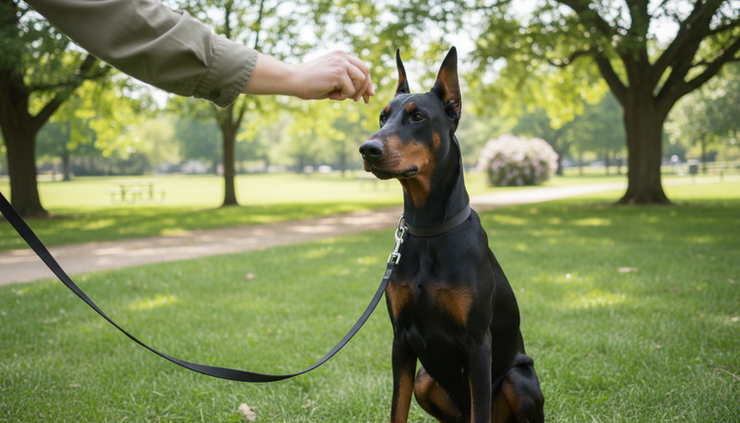
Exercise needs are high, but balance matters
A healthy adult Doberman usually needs daily physical exercise plus mental work. The exact amount varies by age, health, and personality, but this is not a breed built for a sedentary life.
Good exercise options include brisk walks, hikes, structured play, fetch with rules, training games, scent work, and dog sports. Many Dobermans enjoy running, but wait until a young dog is physically mature and cleared by a veterinarian before adding repetitive distance running.
Mental exercise can tire a Doberman in a different and often deeper way. Ten minutes of focused training may calm a dog more than another 20 minutes of wild backyard zoomies.
Try mixing the week with activities like:
A long sniff walk in a new neighborhood
Obedience practice at a park
A puzzle feeder at breakfast
Hide-and-seek with toys
Calm leash walking near mild distractions
A weekend hike on dog-friendly trails
Rest days with gentle enrichment
Rest is part of the plan. High-drive dogs can become overtired and frantic if every day turns into a workout challenge. Teach an off switch. Reward lying down calmly. Use crates, gates, or beds in positive ways so the dog learns that quiet time is normal.
A Doberman is best for someone who wants a true partner
The Doberman Pinscher is not just a beautiful dog with a strong profile. This breed is loyal, bright, athletic, and deeply people oriented. In the right home, a Doberman can be a devoted family companion, a talented working dog, and a steady presence with a surprising soft side.
The best owners give this breed what it needs most: clear training, daily exercise, early socialization, health care, and close companionship. They do not choose a Doberman only for the look. They choose the whole dog, including the energy, sensitivity, humor, and responsibility.
For future owners, the next step is simple. Meet well-bred adult Dobermans, talk with responsible breeders or reputable rescues, and be honest about daily time and activity level. A good match can be remarkable.
When a Doberman fits, the reward is hard to miss. You get a dog that watches the door, learns your routines, joins your adventures, and then, at the end of the day, presses close as if the most important job in the world is being near you.


Comments